Notable places

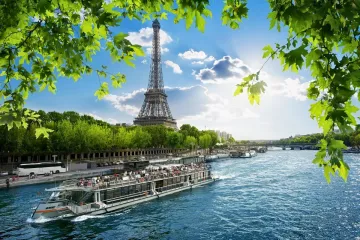
The three Seine bathing sites and how they work, the riverside park that replaced the expressways, the Pont Neuf, the Pont d'Austerlitz rebuilt in stone and the four Pegasus of the Pont Alexandre III, where the river really rises, the booksellers, and the World Heritage corridor.
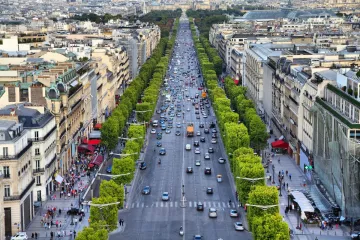
The avenue's two halves and where they divide, the widest-avenue claim dropped, the plane trees, what the redesign has actually built, the Concorde works to 2030, the Grand and Petit Palais, and the monthly car-free Sunday.

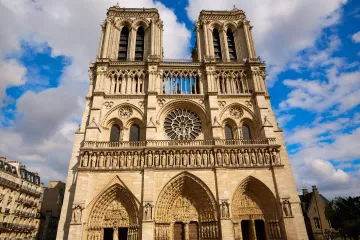
The December 2024 reopening and how to get in free, the towers' new one-way circuit of 424 steps, the spire that was Viollet-le-Duc's rather than medieval, the bells and the organ, the twenty-eight kings of Judah and their rediscovered heads, and the contested new windows.

Practicalities for Paris now: the end of paper tickets and the single regional fare, the low-emission and limited-traffic zones, the new reality of the summers, what has reopened since the Olympics and what has closed, and the shape of the city.

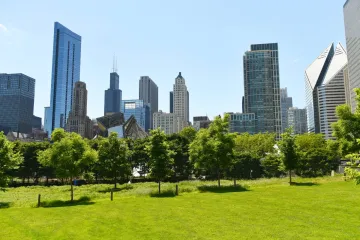
The lakefront is open ground because Montgomery Ward sued the city for twenty years to keep it that way. Millennium Park's Cloud Gate, Crown Fountain and Gehry bandshell, Buckingham Fountain, and two park names that mislead.

The island reads as a string of separate villages the grid was laid over, and a neighbourhood a day works far better than a list of scattered sights. What each area is like from Tribeca to Inwood, the distinct characters of Fifth, Madison and Park Avenues, and why zig-zagging across Manhattan wastes a day underground.