General health

What exercise does to glucose and the delayed hypoglycaemia that older advice never mentions, how much activity UK guidance asks for, why there is no such thing as a diabetic diet, and the honest limits of weight loss as treatment.

Whether a child is ready for contact lenses, what the evidence says about infection risk in children, and how myopia management works — the reason lenses are now offered to children who would once have been given glasses and left to it.

Insulin in type 1 and why nothing substitutes for it; the type 2 sequence from metformin onwards, including the shift to using SGLT2 inhibitors for heart and kidney protection; how gestational diabetes is treated; and the treatments that were withdrawn or never existed.

Type 1 cannot be prevented and nothing a parent did causes it. Type 2 has a large fixed component and a large changeable one — and the UK thresholds that decide who should be tested are lower than the familiar ones, particularly for South Asian, Black African and African Caribbean people.

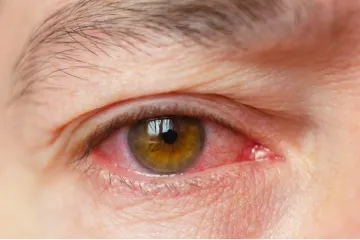
Most conjunctivitis clears without treatment, which is why antibiotics are no longer routine. What the three kinds look like, what actually helps, and the red-eye warning signs that are not conjunctivitis at all.

Difficulty falling asleep, staying asleep or waking too early, with the days affected by it. Why short-lived and chronic insomnia are different problems, why spending longer in bed makes it worse, what cognitive behavioural therapy for insomnia actually consists of, and the narrow and specific place sleeping tablets have in UK practice.
An urge to move the legs that comes on at rest and is relieved by moving, and the repetitive jerks that often accompany it in sleep. Why low iron is the first thing to look for, which common medicines make it worse, and why the drugs that work best at first are no longer the ones given first.

Obstructive sleep apnoea is the airway closing repeatedly during sleep, rousing the brain dozens or hundreds of times a night without the person remembering any of it. What the symptoms are, how it is actually diagnosed in the UK, why CPAP is worth persisting with, and what the law requires of anyone who drives.

Working outside ordinary daytime hours leaves the body's internal clock in permanent disagreement with the timetable. Why it does not adapt, why the commute home is where shift work actually hurts people, the measures that make daytime sleep possible, and the health monitoring UK night workers are legally entitled to and rarely offered.

What sleep is for, the two independent mechanisms that decide when it comes, the four stages and where each falls in the night, how much is actually needed at each age, and what sleep loss does. Including the four-stage classification that replaced the old five-stage one, and why eight hours is the middle of a range rather than a requirement.