The True Cost of Cashmere (and how not to ruin it)
Why does cashmere cost a small fortune? True cashmere is rare, slow to produce, and expensive to process. It comes from the fine undercoat of goats, yields are small, sorting the soft fibers takes work. You pay for scarcity, labor, and quality, but high-quality cashmere is more durable and softer.
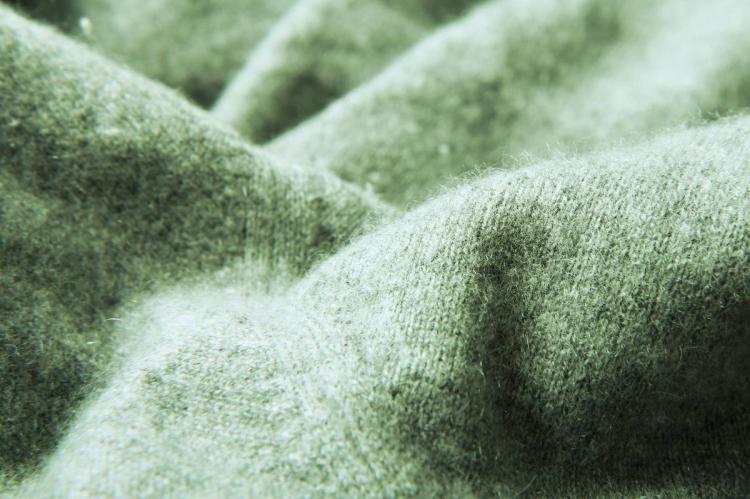
My first encounter with a cashmere sweater ended in tragedy. I had acquired it at a mildly astonishing discount from a high street shop, completely unaware of the fragile ecosystem I was holding in my hands. Assuming it was just a particularly soft variety of standard sheep's wool, I threw it into the washing machine on a Tuesday evening alongside a pair of jeans and a very abrasive towel. When I pulled it out an hour later, it had shrunk to a dense, felted square roughly the size of a tea cozy.
It was a harsh lesson in textiles. Cashmere, as I quickly learned, is not just wool. It is an incredibly specific, labor-intensive marvel of biology that demands a certain level of respect. It is also, as anyone who has browsed a luxury department store knows, aggressively expensive.
If you have ever picked up a remarkably soft sweater, glanced at the price tag, and felt a sudden tightness in your chest, you are not alone. This guide will explain exactly what cashmere is, why it requires a small mortgage to purchase, and how to properly care for it so you don't repeat my catastrophic laundry mistakes.
The Biology of Staying Warm at Absurd Altitudes
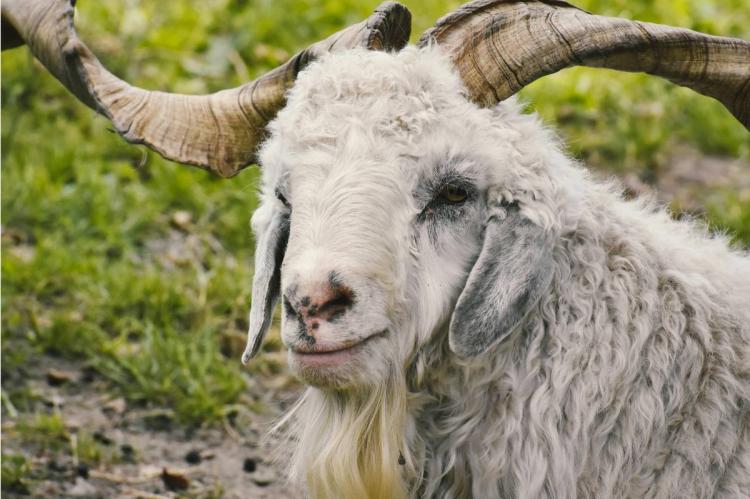
To understand cashmere, you first have to understand the rather extreme lifestyle of the Capra hircus, or the cashmere goat. These goats live in some of the most unforgiving climates on Earth, primarily across the high-altitude steppes of Mongolia, China, and the Himalayas. In these regions, winter temperatures routinely drop to a staggering negative forty degrees.
To survive this, the goats have developed a brilliant, two-part biological defense mechanism. On the outside, they grow a coarse, wiry layer of guard hair that repels water and cuts the freezing wind. But beneath that tough exterior, pressed right up against the skin, they grow an exceptionally fine, downy undercoat. As the days get shorter and the temperature plummets, this undercoat thickens, trapping tiny pockets of air to insulate the animal against the bitter cold.
When we talk about cashmere, we are talking exclusively about this hidden, ultra-fine underdown. To give you a sense of scale, a standard human hair is roughly 75 microns thick. Good quality cashmere fiber measures anywhere between 14 and 16 microns. It is roughly six times finer than your own hair. This microscopic diameter is exactly why cashmere feels entirely weightless and utterly devoid of the scratchy, maddening itch normally associated with heavy winter knitwear.
Why the Price Tag Makes You Weep
The sheer softness of the fiber explains why we want it, but the staggering price comes down to basic mathematics and intense manual labor.
Consider the humble sheep. A single, average-sized sheep can produce enough wool in one shearing session to knit four entire jumpers. The cashmere goat is significantly less generous. Because the usable fiber only comes from the goat's undercoat, a single animal yields a pathetic 100 to 200 grams of usable cashmere per year. It takes the annual output of four to eight goats to produce enough yarn for just one sweater.
Then there is the harvesting process. When spring arrives and the goats naturally begin to shed their winter insulation, local herders must collect the fiber. While mechanical shearing is fast, it aggressively chops off both the coarse guard hair and the soft undercoat together, creating a messy blend that is difficult to separate and lowers the quality of the yarn.
Instead, traditional herders rely on hand-combing. Using specialized tools, they gently rake through the goat's fleece, pulling away the loose underdown while leaving the guard hairs mostly intact. It is a slow, meticulous, and entirely manual process. You are paying for the time, the patience, and the fact that a small herd of animals spent an entire freezing winter growing your garment molecule by molecule.
From a Mongolian Hillside to a Parisian Wardrobe
Once the fiber is combed, cleaned, and painstakingly separated from any stray guard hairs, it begins a complex tactile journey. Spinning fibers that are 14 microns thick without snapping them requires highly specialized machinery and generations of craftsmanship.
Historically, this luxurious material has always commanded attention. In the late eighteenth and early nineteenth centuries, cashmere shawls became an obsession among European nobility. Emperor Napoleon Bonaparte notoriously commissioned dozens of fine cashmere shawls for his wife, Empress Josephine. She reportedly owned hundreds of them, turning the ultra-soft fabric into a massive status symbol across France.
Today, the status remains, though the application has expanded from imperial shawls to everyday cardigans and scarves. The craftsmanship, however, is largely unchanged. The delicate fibers must be dyed carefully to prevent damage, spun with precise tension, and knitted into garments that somehow feel both completely weightless and remarkably warm.
How to Wash Cashmere without Shrinking it into Doll Clothing
If you have decided to take the financial plunge and acquire a piece of this remarkable fabric, you must learn to protect your investment. Do not, under any circumstances, introduce it to your washing machine's standard cycle. Living with luxury requires a bit of mild domestic discipline.
First, you must hand wash the garment. Fill a clean basin with lukewarm water—never hot, as heat shocks the fibers and causes them to contract. Add a small squirt of gentle baby shampoo or a detergent specifically formulated for delicate wool. Submerge the sweater and gently swirl it around for a few minutes. Resist the urge to scrub, stretch, or agitate the fabric, as wet cashmere is highly susceptible to losing its shape.
Once it is clean, drain the soapy water and rinse the sweater with cool, clean water until all the suds are gone. Now comes the critical part. Do not wring the sweater out like a wet dish rag. Instead, carefully lift it out, gently squeezing the excess water against the side of the basin. Lay the damp sweater flat on a clean, dry towel. Roll the towel up with the sweater inside, pressing down firmly to let the terrycloth absorb the moisture. Unroll it, reshape the sweater to its normal dimensions, and leave it flat on a fresh towel or a mesh drying rack away from direct sunlight or heavy heat.
When it comes to storage, clean the garment thoroughly before putting it away for the summer. Moths are heavily attracted to the microscopic traces of human oils and perfumes left on worn clothing. Fold the sweater neatly and place it in a breathable cotton storage bag. Never hang a cashmere sweater on a hanger, as gravity will inevitably stretch the shoulders into bizarre, permanent peaks.
Final Thoughts on Funding a Goat's Haircut
It is entirely fair to question whether a piece of clothing could possibly justify the effort of hand-combing a herd of Mongolian goats and treating your laundry basin like a delicate science experiment. It is a slightly absurd amount of effort for a jumper.
Yet, there is something undeniably wonderful about the result. In an era of mass-produced, synthetic textiles that pill and degrade after a few months, cashmere remains a stubbornly natural, beautifully engineered fiber. It connects the harsh realities of high-altitude survival with the simple, profound comfort of staying warm on a damp Tuesday morning. It is a splurge, certainly, but for the sake of true comfort and sheer biological curiosity, it is one of the few luxuries that actually feels worth it.