Guide to Dorm Living
Starting college marks one of life’s biggest transitions, and your dorm room becomes your home base for this transformative journey.
Everything You Need for College Success
Whether you’re a first year student preparing for move in day or parents helping plan this major milestone, understanding dorm life essentials can make the difference between a chaotic start and a smooth transition to campus living.
With over 2,000 colleges and universities offering on-campus housing across the United States, millions of college students call dorm rooms home each year. The average annual cost for dormitory housing goes around ranges from $10,000, give or take a couple of thousand, making it crucial to approach this investment strategically and avoid unnecessary expenses.
This comprehensive guide will walk you through everything you need to know about dorm living, from understanding room configurations to smart shopping strategies that help you create a functional, comfortable space without breaking the budget. By the end, you’ll have a clear roadmap for college dorm success that sets you up for academic achievement and personal growth.
What is a Dorm Room and How Does It Work?
A dorm room serves as your primary living space during college, typically located in residence halls on campus. These facilities are designed for communal living, emphasizing functionality and durability to accommodate the diverse needs of college students throughout their academic journey.
Room Configurations and Assignments
Most dorms offer several occupancy options to match different preferences and budgets:
- Single rooms: Private spaces ideal for students who value solitude and quiet study time
- Double rooms: The most common arrangement, featuring two beds, desks, and shared storage
- Triple rooms: Three-person setups that maximize affordability while building strong friendships
- Quad arrangements: Four-person rooms or suites that often include separate bedrooms and common areas
The room assignment process typically begins during summer orientation, where you’ll complete housing applications detailing your preferences for roommates, study habits, and lifestyle choices. Many schools use matching algorithms to pair compatible students, though some allow you to request specific roommates.
Standard Furniture and Amenities
Your college dorm room comes equipped with essential furniture that forms the foundation of your living space:
| Furniture Item | Standard Features | Typical Dimensions |
|---|---|---|
| Dorm bed | Twin XL mattress, adjustable height | 39” x 80” |
| Desk | Built-in or standalone with drawers | Varies by institution |
| Chair | Basic desk chair, sometimes adjustable | Standard office size |
| Closet space | Hanging rod, shelf, sometimes drawers | 2-4 feet wide |
| Dresser/Storage | Multiple drawers for clothing | 3-6 drawer capacity |
Most dorms provide basic lighting through overhead fixtures and desk lamps, though you’ll want to supplement with personal lighting for a cozy atmosphere.

Bathroom Arrangements and Shared Facilities
Understanding your bathroom situation helps you plan appropriate supplies and routines:
Shared hall bathrooms serve multiple rooms and typically include several shower stalls, sinks, and toilets. You’ll need a shower caddy to transport toiletries and flip flops for sanitary floor protection.
Suite-style bathrooms are shared between 2-4 roommates, offering more privacy and convenience. These arrangements often reduce the need for extensive bathroom transportation supplies.
Private bathrooms in apartment-style dorms provide maximum privacy but may require additional cleaning supplies and maintenance responsibilities.
Resident Assistant Support and Community
Your Resident Assistant (RA) serves as both a resource and community builder, typically a sophomore or junior student trained to support first year residents. RAs organize floor activities, enforce campus policies, and provide guidance during your adjustment to college life.
They can help with roommate conflicts, connect you to campus resources, and create a sense of community through organized events and study groups. Building a positive relationship with your RA enhances your overall dorm experience and provides valuable support throughout the academic year.
Essential Dorm Room Items You Must Have
Creating a functional college dorm room starts with the right essentials that balance comfort, practicality, and space efficiency. Your specific needs may vary based on your dorm’s amenities and your personal lifestyle, but certain items form the foundation of successful dorm living.
Twin XL Bedding Basics
Your dorm bed becomes your sanctuary for rest, study, and relaxation, making quality bedding a top priority:
Twin XL sheets are non-negotiable since most college dorm beds use this longer mattress size (39” x 80”). Standard twin sheets won’t fit properly, leading to constant readjustment and poor sleep quality.
Mattress topper transforms basic dorm mattresses into comfortable sleeping surfaces. Memory foam or gel toppers add cushioning and support that dramatically improves sleep quality during stressful academic periods.
Comforter and pillows should reflect your climate preferences and room temperature tendencies. Many students opt for lightweight comforters with layering options to adapt to changing seasons and dorm heating inconsistencies.
Extra bedding sets ensure you always have clean sheets available during busy academic periods when laundry becomes challenging to prioritize.
Storage Solutions for Small Spaces
Maximizing storage in your small dorm room requires strategic planning and space saving solutions:
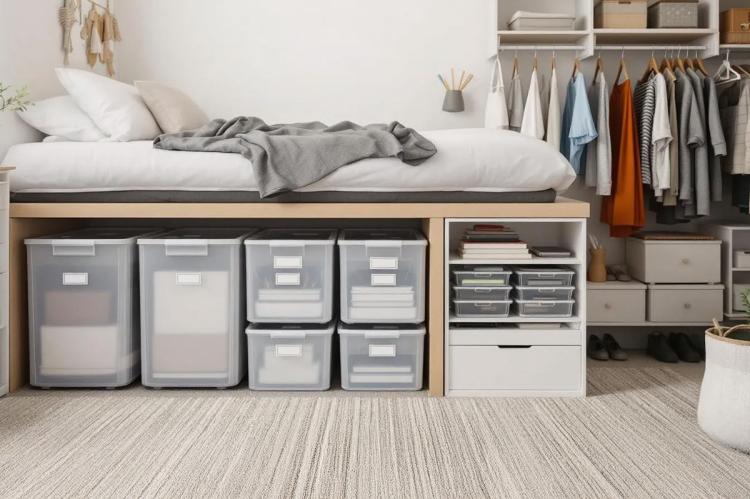
Under-bed storage utilizes valuable real estate beneath your dorm bed. Plastic bins, fabric boxes, and rolling drawers keep seasonal clothing, extra supplies, and rarely used items organized and accessible.
Over-the-door organizers hang on closet doors or room entrances to hold shoes, accessories, cleaning supplies, or bathroom essentials without consuming floor space.
Closet organizers including hanging shelves, additional rods, and drawer units multiply your closet’s capacity for clothing, linens, and personal items.
Desk organizers keep study supplies, electronics, and personal items neat and easily accessible during intense study sessions.
Personal Care and Bathroom Supplies
Your bathroom routine requires specific supplies tailored to your dorm’s facilities:
Shower caddy transports toiletries safely between your room and shared bathrooms. Look for quick-dry materials and multiple compartments to organize shampoo, soap, razors, and other essentials.
Towels in multiple sizes serve different purposes - large bath towels for showers, hand towels for face washing, and washcloths for daily cleansing routines.
Flip flops or shower shoes protect your feet in shared bathroom facilities and maintain hygiene standards in communal spaces.
Personal hygiene items including toothbrush, toothpaste, deodorant, shampoo, and any specialized products you use daily.
Study and Desk Essentials
Your desk area serves as command central for academic success:
Computer or laptop forms the backbone of modern college coursework, research, and communication with family and friends.
Extension cords and power strips provide adequate outlets for multiple devices since most dorms have limited electrical access points.
Desk lamp supplements overhead lighting for late-night study sessions and creates focused work lighting.
School supplies including notebooks, pens, highlighters, and any course-specific materials your professors require.
Kitchen and Food Storage
Even with campus meal plans, having basic kitchen capabilities enhances your dorm experience:
Mini fridge stores snacks, beverages, and perishable items for convenient access between meals and late-night study sessions.
Basic dishware including plates, bowls, cups, and utensils for in-room dining and snack preparation.
Food storage containers keep opened packages fresh and prevent pest attraction in your living space.
Small appliances like coffee makers or microwaves (if permitted) expand your food preparation options and reduce dependence on campus dining schedules.
Smart Shopping Tips for Dorm Essentials
Strategic shopping for college dorm essentials can save hundreds of dollars while ensuring you have everything needed for successful campus living. Understanding when, where, and how to shop makes the difference between overspending and smart budgeting.
Timing Your Purchases
Shopping after arrival often provides better deals and prevents unnecessary purchases. Many students discover their roommate already has certain items, making duplicate purchases wasteful. Additionally, seeing your actual space helps you make informed decisions about what fits and what’s truly necessary.
Seasonal timing impacts both pricing and availability. Back-to-school sales in July and August offer significant discounts, but waiting until mid-semester often reveals clearance pricing on items you initially thought unnecessary.
Freshman year learning teaches valuable lessons about what you actually use versus what seemed essential during preparation. Many students report purchasing too much during their first year, leading to cluttered spaces and unused items returning home.
Coordinating with Your Roommate
Shared item planning prevents duplicate purchases of large items like mini fridges, microwaves, or cleaning supplies. Create a shared list dividing responsibilities based on who can transport items more easily or who has better access to deals.
Space planning conversations help determine room layout and individual storage needs before making furniture or organization purchases.
Budget discussions ensure both roommates understand spending limits and shared expense expectations, preventing financial stress during the academic year.
Student Discounts and Verification Programs
Student verification programs through companies like UNiDAYS and Student Beans provide ongoing 15% discounts at major retailers throughout your college career.
Campus partnerships often offer exclusive deals through your college bookstore or local retailers who cater specifically to student populations.
Back-to-school promotions from major retailers provide substantial savings during peak shopping periods, but require advance planning to maximize benefits.
Budget-Friendly Shopping Strategies
Under $20 focus for individual items helps maintain reasonable spending while acquiring necessary supplies. Most dorm essentials fall within this price range, making it easier to budget accurately.
Multi-functional items maximize value by serving multiple purposes in your limited space. Ottoman storage seats, lap desks, and combination organizers reduce total purchase needs.
Quality vs. quantity decisions should prioritize items you’ll use daily (bedding, desk supplies) while choosing budget options for occasional-use items.
Where to Shop for College Dorm Essentials
Major retailers have developed specialized college collections that address common student needs:
Target’s college collection offers coordinated room themes, space-saving solutions, and competitive pricing with frequent sales and student promotions.
IKEA’s student-focused items emphasize functionality and modern design at affordable price points, with modular solutions that adapt to different room configurations.
Walmart’s college essentials provide budget-friendly basics with convenient online ordering and campus delivery options.
Amazon’s college store offers extensive selection with Prime shipping benefits, though pricing requires careful comparison shopping.
Delivery and Logistics
Campus delivery services allow you to ship items directly to your dorm, eliminating transportation challenges and ensuring availability upon arrival.
Family coordination helps distribute shopping and transportation responsibilities while avoiding last-minute panic purchases.
Storage over summer considerations affect what items you’ll need to replace annually versus what can be stored and reused.
Buy-back programs at some retailers allow you to sell back certain items at year-end, reducing overall costs and supporting sustainable practices.

Maximizing Your Dorm Room Space
Your small dorm room requires creative thinking and strategic planning to accommodate all your belongings while maintaining a comfortable, functional living environment. Effective space utilization transforms cramped quarters into organized, livable spaces that support both academic success and personal well-being.
Vertical Storage Solutions
Wall-mounted shelving takes advantage of unused wall space without consuming valuable floor area. Floating shelves, wall cubes, and mounted organizers hold books, decorations, and personal items while keeping surfaces clear for daily activities.
Over-door storage multiplies your storage capacity using often-overlooked door space. Shoe organizers, hooks, and hanging shelves transform doors into valuable storage real estate for everything from cleaning supplies to accessories.
Tall furniture choices like tower organizers and vertical dressers maximize storage within your room’s height limitations while maintaining a smaller footprint than wide, low furniture pieces.
Under-Bed Organization Systems
Bed risers create additional clearance beneath your dorm bed, allowing for larger storage containers and more organized systems.
Rolling storage bins provide easy access to seasonal clothing, extra bedding, and rarely used items while keeping everything dust-free and organized.
Vacuum storage bags compress bulky items like winter coats and extra blankets into compact packages that fit efficiently in tight spaces.
Drawer systems on wheels slide smoothly for access while providing divided storage for different categories of belongings.
Multi-Functional Furniture
Storage ottomans serve as seating, footrests, and storage containers, perfect for hiding clutter while providing additional seating for friends.
Lap desks create flexible work surfaces that adapt to bed-based studying while storing supplies internally.
Folding furniture like collapsible chairs and tables provide functionality when needed without permanently consuming space.
Convertible items such as trunk coffee tables or storage benches maximize utility in your limited square footage.
Closet Optimization Strategies
Double hanging rods effectively double your hanging space for shorter items like shirts, skirts, and folded pants.
Shelf dividers prevent clothing piles from toppling while creating organized sections for different garment types.
Hanging organizers with multiple compartments store accessories, undergarments, and small items efficiently within your closet space.
Vacuum-sealed storage for off-season clothing frees up active closet space while keeping items protected and organized.
Room Layout Optimization
Furniture arrangement affects both functionality and perceived space size. Placing your desk near the window maximizes natural light while keeping your bed area defined for rest and relaxation.
Traffic flow planning ensures easy movement between essential areas like your desk, bed, and closet without navigating around obstacles.
Zone creation designates specific areas for studying, sleeping, and socializing, helping maintain organization and mental clarity.
Flexible arrangements that can be quickly reconfigured for different activities or when hosting friends maximize your room’s versatility.
| Space-Saving Solution | Best For |
|---|---|
| Under-bed storage bins | Seasonal items, extra linens |
| Over-door organizers | Daily accessories, shoes |
| Wall-mounted shelves | Books, decorations, supplies |
| Storage ottoman | Extra seating, hidden storage |
| Hanging closet organizers | Clothing, accessories |
Decorating Your Dorm Room on a Budget
Creating a personalized, cozy atmosphere in your college dorm room doesn’t require expensive purchases or major renovations. Strategic decoration choices help transform sterile institutional spaces into welcoming environments that support your well-being and academic success while reflecting your personality.
Popular Decoration Trends
LED string lights create warm, ambient lighting that softens harsh overhead fluorescents while adding personality to your space. Battery-operated options eliminate outlet limitations and safety concerns.
Faux fur pillows and throws add texture and comfort to your dorm bed and seating areas without requiring significant investment or maintenance.
Artificial plants bring natural elements into your room without the responsibility of plant care during busy academic periods. Succulents and hanging plants are particularly popular choices.
Tapestries and fabric wall hangings provide large-scale visual impact without permanent wall damage, perfect for renters who must return spaces to original condition.
Photo collages and memory boards personalize your space with family pictures, friend photos, and inspiring quotes that provide emotional support during challenging times.
Color Coordination Strategies
Coordinated color schemes create visual cohesion in small spaces. Choose 2-3 main colors and repeat them throughout bedding, accessories, and decorations for a polished appearance.
Neutral base colors like white, gray, or beige provide flexibility for changing accent colors throughout the year while maintaining a clean, organized appearance.
Personal color preferences should guide your choices since you’ll spend significant time in this space. Colors that make you feel happy and energized support positive mental health.
Budget-Friendly Decoration Ideas
DIY projects allow for maximum personalization at minimal cost. Simple crafts like painted canvases, decorated storage boxes, or handmade garlands add unique touches.
Thrift store finds provide vintage and unique items at fraction of retail costs. Picture frames, decorations, and small furniture pieces often cost under $5.
Dollar store supplies offer basic decoration materials like fairy lights, picture frames, and small organizers that serve dual purposes.
Student artwork from art classes or personal hobbies provides meaningful decoration while showcasing your creative talents.
Creating Cozy Atmosphere
Layered lighting combines overhead lights, desk lamps, and accent lighting to create warm, inviting ambiance suitable for different activities throughout the day.
Soft textures through throw blankets, cushions, and rugs make hard dorm surfaces more comfortable and homey.
Personal scents from candles (if permitted) or wax warmers create pleasant atmospheres, though always check dorm policies regarding open flames.
Organization as decoration turns necessary storage into attractive displays through coordinated containers, labeled bins, and neat arrangements.
Instagram-Worthy Inspiration
Influencer trends often feature achievable looks using affordable items from major retailers. Popular accounts showcase real dorm rooms with practical decoration ideas.
Seasonal updates keep your space fresh throughout the academic year without major investments. Swapping pillow covers, adding seasonal accents, or changing photo displays maintains visual interest.
Personal style expression matters more than following trends exactly. Your room should reflect your personality and support your comfort level.

Decoration Guidelines and Restrictions
Dorm policies vary between institutions regarding wall hangings, candles, and electrical items. Review your housing contract carefully before making purchases.
Damage prevention protects your security deposit through removable adhesives, command strips, and temporary mounting solutions rather than nails or permanent fixtures.
Fire safety compliance requires avoiding certain items like halogen lamps, open-flame candles, or overloaded electrical circuits.
Roommate consideration ensures decoration choices respect shared space and don’t overwhelm your roommate’s belongings or preferences.
Different Living Situations: On-Campus vs. Off-Campus
Understanding various college housing options helps you make informed decisions about your living situation throughout your academic career. Each option offers distinct advantages and challenges that impact your daily routine, social connections, and overall college experience.
On-Campus Dorm Living
Traditional residence halls provide the classic college experience with immediate campus access and built-in community connections. Your daily commute consists of walking across campus, eliminating transportation costs and parking concerns.
Suite-style arrangements offer more privacy than traditional dorms while maintaining campus convenience. Shared living rooms and kitchens provide social opportunities while private bedrooms ensure personal space.
Apartment-style dorms combine campus housing benefits with increased independence. Full kitchens, private bathrooms, and separate bedrooms appeal to upperclass students seeking more autonomy.
Space constraints in on-campus housing require careful selection of dorm essentials and strategic organization. Storage solutions become crucial for managing belongings in limited square footage.
Off-Campus Apartment Living
Increased space allows for larger furniture, more personal belongings, and greater comfort than traditional dorm rooms. Full-size beds, real kitchens, and multiple rooms provide apartment-style amenities.
Additional responsibilities include utility payments, grocery shopping, meal preparation, and apartment maintenance that dorms typically handle centrally.
Transportation needs may require cars, bikes, or public transit for campus access, adding costs and time considerations to your daily routine.
Furniture requirements extend beyond basic dorm essentials to include living room furniture, kitchen appliances, and full-size bedroom sets.
Commuter Student Home Setup
Dedicated study space becomes essential when living at home while attending college. Creating boundaries between family space and academic work supports focus and productivity.
Technology requirements mirror dorm needs but may require additional considerations for family shared internet, printing access, and video conferencing capabilities.
Time management between family responsibilities and academic commitments requires clear communication and established boundaries with household members.
Social connection strategies help commuter students build campus relationships through involvement in clubs, study groups, and campus activities.
Transitioning Between Living Situations
Sophomore decisions often involve choosing between remaining in dorms or moving to off-campus housing. Consider factors like cost, independence level, and social preferences.
Packing strategies differ significantly between moving from dorm to dorm versus transitioning to an apartment with different space and furniture needs.
Budget adjustments reflect changing costs between housing types. Off-campus living may reduce housing costs but increase expenses for utilities, groceries, and transportation.
Social impact varies with housing choices. Dorms naturally facilitate social connections while off-campus living requires more intentional relationship building.
| Living Situation | Space Available | Transportation Needs | Social Opportunities |
|---|---|---|---|
| Traditional Dorm | 100-150 sq ft | Walking | High - Built-in |
| Suite-Style Dorm | 200-300 sq ft | Walking | Medium - Structured |
| Apartment Dorm | 400-600 sq ft | Walking | Medium - Self-directed |
| Off-Campus Apartment | 600-1,200 sq ft | Car/Transit | Low - Requires effort |
| Commuter (Home) | Variable | Car/Transit | Low - Requires planning |

Payment and Delivery Options for College Students
Managing finances and logistics for college dorm essentials requires understanding available payment methods and delivery services that cater specifically to student needs and budget constraints. Smart financial planning and delivery coordination can significantly reduce stress during your transition to college life.
Flexible Payment Solutions
Buy now, pay later options through services like Klarna, Afterpay, and Affirm allow you to spread college essential purchases across several months without interest when payments are made on time. This approach helps manage large upfront costs while ensuring you have necessary items for move in day.
Student credit cards often provide cashback rewards on purchases and help build credit history when used responsibly. Look for cards with no annual fees and reasonable interest rates designed specifically for college students.
Family payment coordination enables parents to maintain control over spending while giving students purchasing flexibility. Shared accounts or prepaid cards provide oversight while supporting student independence.
Layaway programs at major retailers allow you to reserve items during sale periods and pay over time before taking possession, securing good prices while managing cash flow.
Campus Delivery Services
Bed Bath & Beyond College Program offers pack and hold services where you can shop early and have items delivered directly to your dorm room, eliminating transportation challenges and ensuring availability.
Amazon Prime Student provides free two-day shipping to campus addresses, extended return windows, and exclusive student discounts on essential items throughout your college career.
Target’s college delivery includes same-day delivery options in many college markets, perfect for last-minute needs or forgotten essentials during busy academic periods.
Campus mail services typically accept packages for students before arrival, though size and quantity restrictions may apply. Coordinate with your housing office to understand specific policies and procedures.
Gift Registries and Family Support
College graduation gifts often include dorm essentials, making registries helpful for family members who want to contribute practically to your college success. Create lists at multiple retailers to accommodate different budgets and preferences.
Collaborative family shopping spreads costs among relatives while ensuring comprehensive coverage of necessary items. Assign categories to different family members to avoid duplicate purchases.
Cash gifts vs. item gifts considerations help family members choose between providing money for flexible purchasing or selecting specific items they know you’ll need.
Student Discount Programs
Retailer verification programs provide ongoing discounts throughout your college career. UNiDAYS, Student Beans, and SheerID verification services unlock exclusive pricing at hundreds of retailers.
Membership benefits through programs like IKEA Family or Costco College include special pricing events, extended returns, and exclusive product access for students.
Seasonal promotions often provide the deepest discounts during back-to-school periods, but require advance planning to take advantage of limited-time offers.
Group purchasing with roommates or friends can unlock bulk discounts on shared items like cleaning supplies, food storage, or decorative elements.
Financing Larger Purchases
Essential vs. luxury prioritization helps determine which items warrant financing and which can wait for better cash flow or lower prices.
Interest-free promotional periods from store credit cards provide financing without additional costs when balances are paid within promotional timeframes.
Family loans with clear repayment terms can provide access to necessary items while building financial responsibility and trust.
Work-study earnings can be allocated specifically for dorm improvements and non-essential comfort items after covering basic necessities.
Sustainable Shopping Practices
Buy-back programs at textbook retailers and some furniture stores allow you to recover costs on items you’ll only need temporarily.
Rental options for electronics, furniture, or appliances provide access without long-term financial commitment, particularly useful for items needed only during college years.
Secondhand markets including Facebook Marketplace, Craigslist, and campus bulletin boards offer substantial savings on gently used dorm items.
End-of-year sales from graduating students provide excellent opportunities for incoming students to acquire quality items at reduced prices.
Minimalist Approach to Dorm Living
Adopting a minimalist mindset for your college dorm room creates a more organized, peaceful environment while reducing costs and stress. This approach emphasizes intentional purchasing decisions and focuses on items that truly enhance your academic success and personal well-being.
Benefits of Minimalist Dorm Living
Reduced clutter creates a calmer environment that supports better focus during study sessions and promotes better sleep quality in your small space.
Lower costs result from purchasing only essential items rather than everything that seems useful during initial shopping excitement.
Easier maintenance means less time spent cleaning and organizing, allowing more time for academics, social activities, and personal interests.
Simplified decision-making reduces daily choices about what to wear, use, or focus on, preserving mental energy for more important academic and personal decisions.
Intentional Shopping Strategies
Needs vs. wants assessment helps distinguish between items that will genuinely improve your daily life and those that seem appealing but serve no practical purpose.
Multi-functional prioritization focuses purchases on items that serve multiple purposes, maximizing value while minimizing space consumption in your small dorm room.
Quality over quantity emphasizes investing in well-made items that will last throughout your college career rather than cheap alternatives that require frequent replacement.
Trial periods involve living in your space for several weeks before making non-essential purchases, allowing you to identify actual needs rather than perceived necessities.
Learning from Upperclass Experience
Sophomore year insights consistently reveal that first-year students over-purchase items they rarely use. Most upperclass students report bringing significantly fewer belongings in subsequent years.
End-of-year reality includes taking home unused items that seemed essential during initial preparation, highlighting the gap between anticipated and actual needs.
Storage limitations at family homes create challenges when students accumulate too many possessions during college years, leading to disposal of barely used items.
Moving difficulties increase exponentially with possession quantity, making minimalist approaches more practical for students who change housing frequently.
Essential-Only Packing Lists
Clothing minimums include one week’s worth of daily outfits, one formal outfit, exercise clothes, and season-appropriate outerwear, with laundry facilities handling washing needs.
Study essentials focus on laptop, basic school supplies, and course-specific materials rather than elaborate organizational systems that may prove unnecessary.
Comfort items should be limited to 2-3 pieces that genuinely provide emotional support or enhance well-being rather than multiple decorative objects.
Cleaning supplies need only include basic all-purpose cleaner, laundry detergent, and personal hygiene items rather than specialized products for every possible situation.
Avoiding Over-Purchasing Pitfalls
Marketing influence during back-to-school seasons encourages extensive purchasing through curated room displays and comprehensive shopping lists that exceed actual student needs.
Peer pressure from roommates or friends with more possessions can create artificial needs for items that don’t align with your personal preferences or lifestyle.
Family anxiety often manifests as over-shopping to ensure student comfort and success, though excessive possessions can create opposite effects.
Impulse decisions during stressful preparation periods lead to purchases that seem logical in stores but prove unnecessary in actual living situations.
Practical Implementation Tips
Start minimal and add items only after identifying genuine needs through lived experience in your actual dorm room environment.
Establish limits such as one storage bin for decorative items or a specific budget for non-essential purchases throughout the academic year.
Regular evaluation involves monthly assessments of item usage to identify candidates for donation or storage, maintaining manageable possession levels.
Shared resources with roommates and floor-mates reduce individual purchasing needs while building community connections and reducing costs.
| Item Category | Minimalist Quantity | Reasoning |
|---|---|---|
| Bedding Sets | 2 complete sets | One for use, one for washing |
| Decorative Items | 3-5 meaningful pieces | Personal comfort without clutter |
| Electronics | Essential devices only | Laptop, phone, basic accessories |
| Clothing | 7-10 days worth | Weekly laundry cycle coverage |
| Books | Course materials only | Library access for recreational reading |
| Kitchen Items | 1 plate, cup, utensil set | Meal plans cover most eating needs |
Long-Term Benefits
Financial savings accumulate throughout college years when students avoid unnecessary purchases and focus spending on experiences and academic needs.
Stress reduction comes from managing fewer possessions and making fewer decisions about material goods.
Environmental impact decreases through reduced consumption and waste generation.
Life skills development includes learning to distinguish between needs and wants, a valuable skill for post-graduation financial management.
Focus enhancement results from eliminating distractions and creating spaces that support academic and personal goals rather than material accumulation.
Plan in advance
Successfully navigating dorm life requires balancing preparation with flexibility, ensuring you have essential items while avoiding the common trap of over-purchasing. Your college dorm room serves as more than just a place to sleep—it becomes your study sanctuary, social hub, and personal retreat during one of life’s most transformative periods.
The key to dorm success lies in thoughtful planning that considers your specific needs, budget constraints, and living situation. Whether you’re preparing for traditional residence hall living or transitioning between different housing options throughout your college career, focus on acquiring quality essentials that genuinely enhance your daily experience rather than accumulating possessions that create clutter and stress.
Remember that your dorm room will evolve throughout the academic year as you discover what truly supports your academic success and personal well-being. Start with the basics—comfortable bedding, effective storage solutions, study supplies, and a few personal touches that make your space feel like home. You can always add items later as you identify genuine needs through lived experience.
Most importantly, approach dorm living as an opportunity for personal growth, community building, and independence development. The organizational skills, budget management abilities, and interpersonal relationships you develop during your college years will serve you well beyond graduation. Your dorm room is just the beginning of creating spaces that support your goals and reflect your values throughout your life.
Take advantage of student discounts, coordinate with your roommate, and don’t forget that the most successful college students focus on experiences and relationships rather than accumulating stuff. Your dorm room should enhance your college journey, not complicate it.