Blogging for Pleasure and Profit
Blogging still turns expertise into an audience and an audience into income. What has changed, and changed fast, is the route between the two.
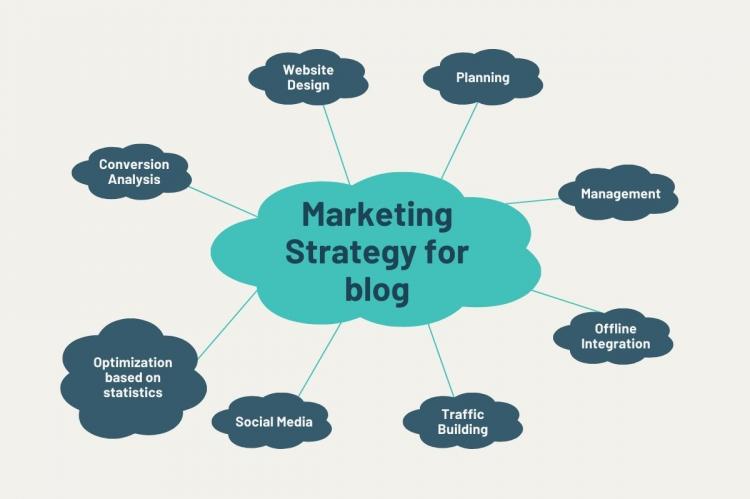
For twenty years the model was straightforward. Write something useful, rank for the question it answered, and a share of the people asking that question arrived. Advertising, affiliate links or a product turned those visitors into money. Most advice about blogging still assumes this arrangement.
It has broken. Google began showing AI Overviews in May 2024, and the effect on the clicks beneath them has been steep. Ahrefs measured a 34.5% fall in clicks to the top result in April 2025 and 58% by December. Seer Interactive found the click-through rate on informational queries falling from around 1.76% to 0.61%. Chartbeat's figures show the damage weighted heavily against the small: search referrals down about 60% for the smallest publishers, 47% for mid-sized ones and 22% for the largest.
Google disputes the framing. In August 2025 its head of search argued that total organic clicks had been broadly stable year on year and that click quality had improved slightly. Publishers, including the UK's Professional Publishers Association, report otherwise, with click-through rates falling ten to twenty-five per cent even where rankings held.
Either way, the practical lesson for a new blog is the same. The posts hit hardest are the ones that answer a factual question — the "how to" and "what is" pieces that were the standard advice for building traffic. A blog built entirely to answer questions a machine can now answer in the results page is the worst-positioned kind there is.
What still works
Things a summary cannot replace. First-hand experience, original testing, a specific point of view, photographs of something actually done. An AI answer is assembled from what already exists; it has nothing to say about a recipe cooked forty times or a product used for a year.
An audience that arrives directly. Recognisable names have held up far better than anonymous sites in the middle of the rankings. An email list is the only part of the audience nobody else controls: a newsletter reaches its readers whatever a search engine decides next.
Being cited rather than ranked. Position in the results no longer predicts appearing in an AI answer — the overlap between top-ten rankings and AI Overview citations has fallen sharply. Clear structure, plain claims and being the original source of something all help.
A narrow subject. This was always the advice and it matters more now. A blog that owns a small topic completely is easier to recommend, easier to cite and easier to sell from than one covering everything loosely.
How blogs make money
Three routes, all still viable, none of them passive.
Sponsored content, where a brand pays for a post about its product. The rate depends on the audience rather than its size; a small, trusted readership in a defined field is worth more per reader than a large, general one.
Affiliate links, earning a commission on sales made through them. Realistic income here comes from a modest number of products the writer genuinely uses and can be specific about.
Selling something directly — a course, a book, a template, a service, a membership. This is the sturdiest of the three, because it does not depend on a third party's traffic or commission structure, and it is the route most blogs eventually take.
Published income figures for individual bloggers should be treated with caution. The well-known examples date from a very different search environment, and nobody publishes the far larger number of blogs that earned nothing.
Disclosure is a legal requirement
In the UK this is no longer a matter of good manners. Two regulators cover it: the Advertising Standards Authority through the CAP Code, and the Competition and Markets Authority, whose powers under the Digital Markets, Competition and Consumers Act 2024 came into force in April 2025 and allow it to fine businesses directly, without going to court, up to ten per cent of global turnover.
What triggers the requirement is broader than most people assume: payment, gifted products, commission, discount codes, affiliate links or any other commercial relationship. The label must be clear and prominent, at the start rather than buried among hashtags. An affiliate link or a discount code does not count as disclosure on its own — the ASA has ruled specifically on that point. Non-compliance is common, and the ASA both names offenders publicly and refers repeat cases onward.
Measuring the right thing
Traffic is a weaker measure than it was, because the same revenue now arrives on fewer visits. Revenue per subscriber, conversion rate and the size and health of an email list say more about whether a blog is working than the number at the top of an analytics dashboard.
The pleasure part of the title has held up better than the profit part. Writing regularly about something still sharpens thinking, still finds the handful of people who care about the same thing, and still occasionally turns into a living. It is simply no longer a traffic strategy with a business attached.