A Baby Shower is a Time for Celebration!
The baby shower began as a way for family and friends to gather before a birth, and as a way to ease the cost of setting up for a new arrival. The format has loosened considerably over the years, but the purpose has not changed.
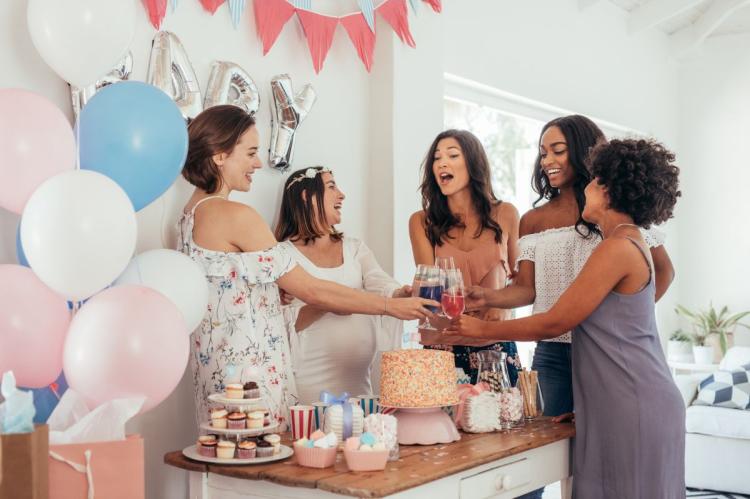
The baby shower serves two purposes at once. It brings family and friends together before the birth, and it spreads the cost of the equipment, furniture and clothing that a newborn needs. Both matter. Setting up for a first baby is expensive, and doing it alone is daunting.
Excitement is rarely the only feeling involved. First-time parents face a long list of things to learn and buy, often within a fixed and fast-approaching deadline. Some anxiety is normal. A shower answers part of it, in company as much as in kit.
What has changed, and what has not
Most showers still follow a familiar shape: a guest list, invitations, a decorated space, food and drink, a few games, and gifts. That structure has proved durable.
Who attends has changed rather more. The shower was once a women-only gathering. Today, guest lists commonly include men, partners and whole families, and joint celebrations for both parents are increasingly ordinary. Guests who once would not have been invited tend to turn up willingly, even if they sit out the games.
Two other shifts are worth noting. Online gift lists have largely replaced guesswork, which reduces duplicate presents and lets guests contribute towards a single expensive item such as a pram or cot. And video calls have made it practical to include relatives who live abroad, either as a fully remote gathering or as a screen in the corner of the room.
Not every family wants one
In some traditions, celebrating before a birth is avoided. Certain Jewish families, particularly within Ashkenazi custom, hold back gifts and celebrations until the baby has safely arrived. Chinese tradition also waits: rather than marking the birth immediately, families hold a full moon ceremony once the baby is a month old, with guests bringing gifts and receiving red-dyed eggs in return. The custom dates from a period of high infant mortality, when surviving the first month was taken as a sign the child would thrive.
Anyone hosting a shower does well to raise the question early rather than assume. A quiet conversation with the expectant parents settles it, and avoids turning a kind gesture into an awkward one.
The timing question — before the birth or after it — has arguments on both sides, and is covered in Deciding when to have the baby shower, before or after.
Every detail costs money
A shower can be a modest afternoon at home or a hired venue with catering, a photographer and a cake to match. Both are legitimate. What separates a shower that goes well from one that becomes a source of stress is usually not the budget but whether there was a budget at all.
Costs in the United Kingdom vary enormously. Booked packages in London tend to fall somewhere between £400 and £1,200 depending on the venue, the number of guests and whether food, drink and styling are included, while a gathering held at home with food prepared by the host can come in at a fraction of that. Popular venues are often reserved three to four weeks ahead, particularly for weekend dates.
Pulling off a good baby shower does not take special talent. It takes a plan, a timeline and a budget that the host is willing to stick to.